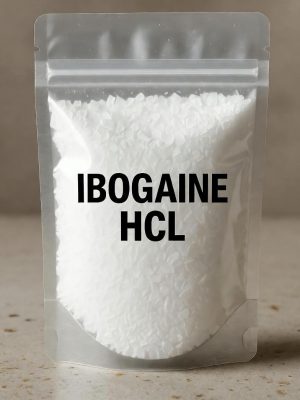
Ibogaine is a psychedelic alkaloid found in several species of plants in the Apocynaceae family. The most common species used is Tabernanthe iboga — a tropical shrub from the Congo.
Other species can also be used to obtain this alkaloid, including Voacanga africana and Tabernaemontana undulata. It can also be synthesized from its precursor compound, voacangine.
Ibogaine has a long history of use as an appetite suppressant and spiritual medicine. It was first discovered by the Pygmy tribes of Central Africa, who used the plant for spiritual and divination purposes.
It wasn’t until recently that ibogaine first made its debut as an anti-addiction medicine. This is now the most common application for the plant today.
Unfortunately, ibogaine brings some health risks that make it a less desirable psychedelic for addiction treatment than other substances like ayahuasca, 5-MeO-DMT, and ketamine — all of which have a much better safety profile.
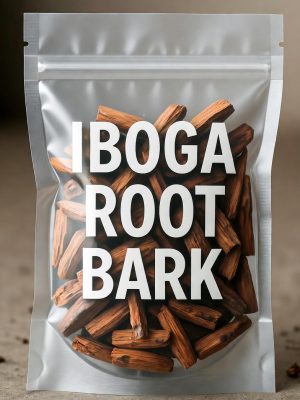
Ibogaine interacts with multiple receptors (NMDA, kappa-opioid, serotonin) and produces a long visionary phase followed by reduced withdrawal and cravings. Traditional Bwiti practitioners in Gabon consume iboga root bark in high-dose ceremonies to facilitate spiritual healing and life review. Modern users often experience emotional release, trauma processing, and lasting craving reduction.
Safety always comes first. Ibogaine poses cardiac risks (QT prolongation), so medical screening, ECG monitoring, and professional supervision become essential. Start with research, avoid solo use, and pair with therapy for integration.
Approach iboga ( Ibogaine ) with respect and caution. Verify local laws, prioritize medical oversight, and follow harm reduction principles. Transformative journeys await those who prepare carefully.
Explore our premium collection of high-quality psychedelic products, carefully selected for reliability and fast delivery.
Ibogaine is a psychedelic alkaloid found in several species of plants in the Apocynaceae family. The most common species used is Tabernanthe iboga — a tropical shrub from the Congo.
Other species can also be used to obtain this alkaloid, including Voacanga africana and Tabernaemontana undulata. It can also be synthesized from its precursor compound, voacangine.
Ibogaine has a long history of use as an appetite suppressant and spiritual medicine. It was first discovered by the Pygmy tribes of Central Africa, who used the plant for spiritual and divination purposes.
It wasn’t until recently that ibogaine first made its debut as an anti-addiction medicine. This is now the most common application for the plant today.
Unfortunately, ibogaine brings some health risks that make it a less desirable psychedelic for addiction treatment than other substances like ayahuasca, 5-MeO-DMT, and ketamine — all of which have a much better safety profile.
Ibogaine interacts with multiple receptors (NMDA, kappa-opioid, serotonin) and produces a long visionary phase followed by reduced withdrawal and cravings. Traditional Bwiti practitioners in Gabon consume iboga root bark in high-dose ceremonies to facilitate spiritual healing and life review. Modern users often experience emotional release, trauma processing, and lasting craving reduction.
Safety always comes first. Ibogaine poses cardiac risks (QT prolongation), so medical screening, ECG monitoring, and professional supervision become essential. Start with research, avoid solo use, and pair with therapy for integration.
Approach iboga ( Ibogaine ) with respect and caution. Verify local laws, prioritize medical oversight, and follow harm reduction principles. Transformative journeys await those who prepare carefully.